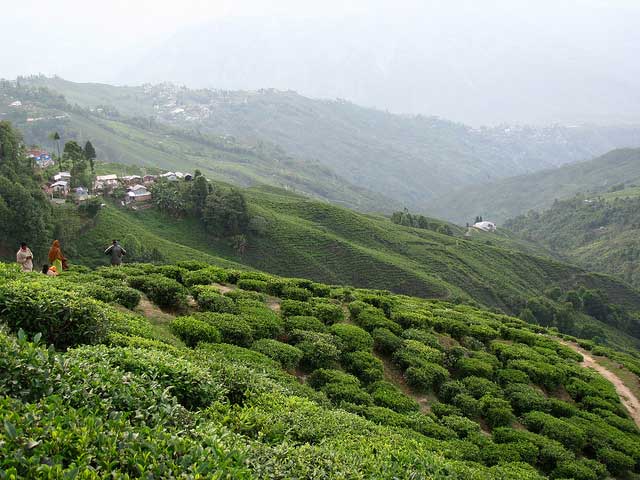


Nestled in the rolling highlands and veiled by ever-present mists, Meghalaya emerges as a living tapestry of ancient forests, mesmerizing caves, streaming waterfalls, and an incredible variety of plant and animal life. In this hallowed land, where clouds hug verdant hills and rivers sing through valleys, Meghalaya’s national parks stand as sanctuaries for both biodiversity and indigenous heritage. Embark with us on an expert’s voyage through the top 5 national parks in Meghalaya, where each destination tells a story of Earth’s evolution, delicate balance, and timeless wonder.
1. Nokrek National Park: Cradle of Citrus and Endangered Wonders
Location & Accessibility
Perched in the West Garo Hills, approximately 46km from Tura and 220km from Guwahati, Nokrek National Park beckons both scientists and travelers. This UNESCO Biosphere Reserve is accessible via motorable roads; entry is monitored by the Forest Department.


Biodiversity Marvels
-
Mammals: Famed for being the refuge of the red panda—a rare find outside the eastern Himalayas. Visitors may glimpse clouded leopards, gibbons, elephants, the elusive golden cat, and the capped langur. Night treks reveal civets and flying squirrels.
-
Birdlife: Over 200 species including the great hornbill, grey peacock-pheasant, brown hornbill, and the endangered white-winged wood duck. Spring and early summer bring orchestras of birdsong.
-
Unique Flora: Global epicenter of the “Citrus Indica” gene pool, the progenitor of today’s cultivated citrus fruits. Bamboo groves, wild bananas, indigenous orchids, and rare medicinal plants thrive here.
-
Butterflies & Insects: Swarms of vibrant butterflies, including the blue Mormon and red Helen, flutter among endemic wildflowers.
Eco-Adventure Activities
-
Trekking: Well-marked trails unveil subtropical forests and riverine valleys, ideal for both serious trekkers and casual visitors.
-
Siju Cave Expeditions: Venture into nearby limestone caves—one of India’s most extensive, adorned with awe-inspiring stalactites and rare cave fauna.
-
Jadurana Waterfalls: The sight and symphony of these cascades offer tranquility amid dense forests.
-
Village Visits: Engage with local Garo communities, discover traditional practices of honey gathering, and relish organic tribal cuisines.
Conservation Note
Nokrek is fiercely protected by both local communities and government bodies. Its “Citrus Gene Sanctuary” is internationally recognized for conserving wild fruits critical for future food security.
2. Balphakram National Park: Myth, Majesty, and Ecological Richness
Geographic Enchantment
Spread over 220sqkm in the South Garo Hills, Balphakram is called the “Land of Perpetual Spirits” in Garo mythology and is easily accessed from Baghmara, about 65km away.
Ecological Highlights
-
Mammal Diversity: Home to the Bengal tiger, wild water buffalo, Indian bison, marbled cat, Himalayan black bear, and herds of wild elephants. Nighttime reveals rare creatures like the fishing cat and pangolin.
-
Avifauna: Partridges, peacock-pheasants, hornbills, and migratory raptors fill the skies and forests.
-
Rich Plant Life: Rolling plateaus host wild turmeric, endemic orchids, medicinal herbs, and ancient forest trees. Seasonal wildflowers paint the plains in vivid colors after the rains.
Geological and Cultural Splendors
-
Canyon and Plateau Landforms: Deep gorges, natural stone bridges, mysterious sinkholes, and dramatic cliffs create a surreal landscape.
-
Mahadeo Cave: Spiritually significant for locals, this limestone cave brims with bats and intricate mineral deposits.
-
Folklore Trails: Trekking with local guides reveals tales of spirits, ancient rituals, and sacred sites.
Eco-Adventure Opportunities
-
Trekking and Safaris: Well-planned jungle safaris cover multi-biotopic trails—grassland, riverine, and forest terrains—increasing chances for big-mammal sightings.
-
Camping: Several forest rest houses blend comfort with wilderness, ideal for longer explorations.
-
Bird Watching: Balphakram’s unique topography makes it an excellent point to spot both lowland and highland species.
3. Siju Wildlife Sanctuary: Where Caves and Birds Rule the Wilderness
Location & Setting
Sited on the banks of the Simang River, Siju Wildlife Sanctuary sprawls over 5.18sqkm in the South Garo Hills, 30km from Baghmara.




Wildlife and Ecological Features
-
Avifauna: Termed a ‘birder’s sanctuary,’ it’s home to the rare Siberian duck, the grey hornbill, the Indian blue robin, and thousands of migratory winter visitors.
-
Mammals: Elephants march through bamboo corridors, while the slow loris, rhesus macaque, bush-tailed porcupine, and barking deer roam its wooded glades.
-
Reptiles & Amphibians: The sanctuary supports rich herpetofauna including rare tree frogs and snakes in undisturbed wetlands.
Cave Systems
-
Siju Cave: Among India’s longest limestone caves, renowned for “Princess Di’s Chamber”—a labyrinth of living limestone formations, home to indigenous bats and arthropod species.
-
Karst Terrains: Dramatic stalactites, stalagmites, sub-terranean streams, and chambers glisten in torchlight, captivating adventure-seekers and naturalists.
Visitor Experiences
-
Guided Birding: Local guides reveal hidden birding sites and provide insights into migratory patterns.
-
Cave Exploration Tours: Spelunking in Siju’s underground world highlights both geology and cave-ecosystem conservation challenges.
-
River Walks: The Simang River, rich in native fish and otters, flows beside ancient bamboo forests, fostering quiet contemplation and photography.
4. Baghmara Pitcher Plant Sanctuary: Meghalaya’s Carnivorous Garden
Sanctuary’s Uniqueness
Encompassing just 2sqkm, the Baghmara Pitcher Plant Sanctuary near the town of Baghmara is India’s only reserve dedicated to the extraordinary Nepenthes khasiana—the Meghalaya pitcher plant.
Botanical Importance
-
Pitcher Plants: The sanctuary nurtures several dense patches of this insectivorous plant, whose waxy, lidded “pitchers” lure, trap, and digest insects.
-
Ecosystem: Wet meadows, moist deciduous forest, and alkaline soils foster a variety of orchids, wild bananas, ferns, and a profusion of butterflies and pollinators.
Education and Eco-Tourism
-
Interpretation Center: Interactive exhibits detail the lifecycle, ecological role, and conservation status of Nepenthes khasiana.
-
Nature Trails: Guided walks enable close observation, especially during flowering season (June to September), highlighting pollinator-plant relationships.
-
Photography: Macro-lovers and biologists will find rich opportunities to capture the pitcher plant’s intricate mechanisms and the microfauna that depend on them.
Conservation Focus
The sanctuary doubles as a research station supporting preservation of critically endangered flora, ex-situ propagation, and awareness campaigns among local schools and visitors.
5. Narpuh Wildlife Sanctuary: Jaintia Hills’ Untamed Beauty
Geographic Setting
Spreading across the East Jaintia Hills, near Khliehriat (15km away), Narpuh Wildlife Sanctuary encompasses lush valleys, swift rivers, and volcanic caves, yet remains one of Meghalaya’s lesser-known treasures.
Wildlife Diversity
-
Mammals: Habitat for leopards, Indian serow, barking deer, wild boar, and migratory elephants. Pangolins and small cats are sometimes spotted at dawn or dusk.
-
Birdlife: Great Indian hornbill, hill myna, brown-capped pygmy woodpecker, and scores of waterfowl—especially during monsoon-swelled river seasons.
-
Other Fauna: Rich reptilian populations and an abundance of invertebrates, fueling a vibrant food web.
Natural Wonders
-
Limestone Caves: The famed Krem Lubon, with multiple chambers, mineral deposits, and rare cave-dwelling bats.
-
Rivers and Waterfalls: The Lukha River, cloudy blue in color due to natural mineral deposits, cuts through the sanctuary, sheltering rare aquatic life and providing lifelines for wildlife.
Community and Cultural Ties
Narpuh’s borders are dotted with indigenous Jaintia villages practicing shifting “jhum” cultivation, traditional weaving, and honey harvesting. Eco-tourism initiatives empower these communities, blending conservation with sustainable livelihoods.
Travel Tips
Best explored during the cool, dry season (October–March), the sanctuary offers camping, nature walks, and village homestays—a chance for immersion in both wild and cultural Meghalaya.
Meghalaya’s Conservation Ethos and Eco-Tourism Initiatives
Community at the Core:
Indigenous Khasi, Garo, and Jaintia tribes are revered for their forest stewardship, sacred groves, and sustainable agriculture. Local eco-tour guides ensure visitors learn not just about wildlife, but about the interdependence of community and nature.
Sustainability Measures:
-
Strict enforcement of anti-poaching laws.
-
Community education programs in schools and villages.
-
Eco-tourism revenue re-invested into conservation and local welfare.
-
Initiatives to protect endangered species, especially “flagship” species like the red panda and pitcher plant.
Planning Your Visit: Practical Information
-
Permits: Most parks require advance entry permission from local forest departments or eco-tourism boards.
-
Guides: Hiring trained local guides is mandatory in certain parks for safety, learning, and minimal impact.
-
Accommodation: Homestays, forest rest houses, and eco-resorts are available near all major sites.
-
Transportation: Shillong and Guwahati (Assam) are the nearest airport hubs, with buses, taxis, and hired vehicles for onward travel.
Travel Itineraries
-
Nature Enthusiast: Start at Shillong, tour Nokrek and Balphakram, explore Siju’s caves, and finish in Narpuh for maximum biogeographical diversity.
-
Cultural Explorer: Add day-trips to Garo, Khasi, and Jaintia villages for festivals, local crafts, and culinary traditions.
Wildlife Viewing Etiquette and Tips
-
Remain on authorized trails.
-
Never feed or disturb wildlife.
-
Limit sound and minimize camera flashes.
-
Leave no trace—carry back all non-biodegradable waste.
-
Engage respectfully with local communities; ask before photographing people or rituals.
-
Purchase only locally-made and sustainable handicrafts.
Seasons and Best Times for Exploration
-
October to May (cool-dry): Peak for trekking, wildlife spotting, festivals, and safe cave expeditions.
-
June to September (monsoon): Lush, blooming forests but trails may be muddy; cave exploration limited to safer, guided areas.
-
Winter: Best birding as migrants arrive, ample wildlife sightings in open, riverine habitats.
FAQs for Meghalaya’s Top National Parks
-
Which national park in Meghalaya is known for red pandas?
Nokrek National Park is renowned for its small and rare population of red pandas. -
Are permits mandatory for each national park?
Yes, most parks require entry permits, often available from local forest offices or eco-tourism boards. -
What’s unique about Balphakram National Park?
Its dramatic landscapes, deep canyons, and mythical folklore make it a hotspot for both ecology and cultural tourism. -
When is the ideal time to visit these parks?
October–May for dry weather and best wildlife viewing; monsoon boosts botanical richness in the sanctuaries. -
Can children and seniors enjoy these parks?
Yes, though some trails or caves may be strenuous—select easier routes for families and seniors. -
Is photography permitted?
Yes, but use caution with flashes; always respect wildlife and cultural privacy. -
Are local guides available?
Guides are available and, in some parks, mandatory for safety and enriching interpretation. -
What special experiences do the caves offer?
Meghalaya’s caves harbor unique bats, microfauna, fossils, and offer adventure caving for enthusiasts. -
How can travelers support local conservation?
Choose eco-certified guides and lodges, obey regulations, and support crafts or produce from local communities. -
What should I pack for my trip?
Good hiking shoes, reusable water bottles, rain gear, insect repellent, binoculars, and a field guide for wildlife or plants.